Artificial Intelligence has rapidly transformed from an experimental technology into the backbone of modern digital infrastructure. In 2026, AI servers are no longer limited to research laboratories or large technology corporations. Businesses of all sizes, startups, educational institutions, healthcare providers, and even creative industries now depend on powerful AI servers to process massive datasets, train intelligent models, and deliver real-time insights. The latest generation of AI servers represents a significant leap forward in computing performance, efficiency, scalability, and sustainability, marking a new era in how data is processed and intelligence is created.
An AI server is a specialized computing system designed specifically to handle artificial intelligence workloads such as machine learning, deep learning, natural language processing, and computer vision. Unlike traditional servers that focus mainly on storage or web hosting, AI servers are optimized for parallel computation. They rely heavily on GPUs, AI accelerators, and high-bandwidth memory to perform billions of calculations simultaneously. This architecture enables faster training of AI models and near-instant inference, which is essential for modern applications like autonomous systems, recommendation engines, and generative AI platforms.
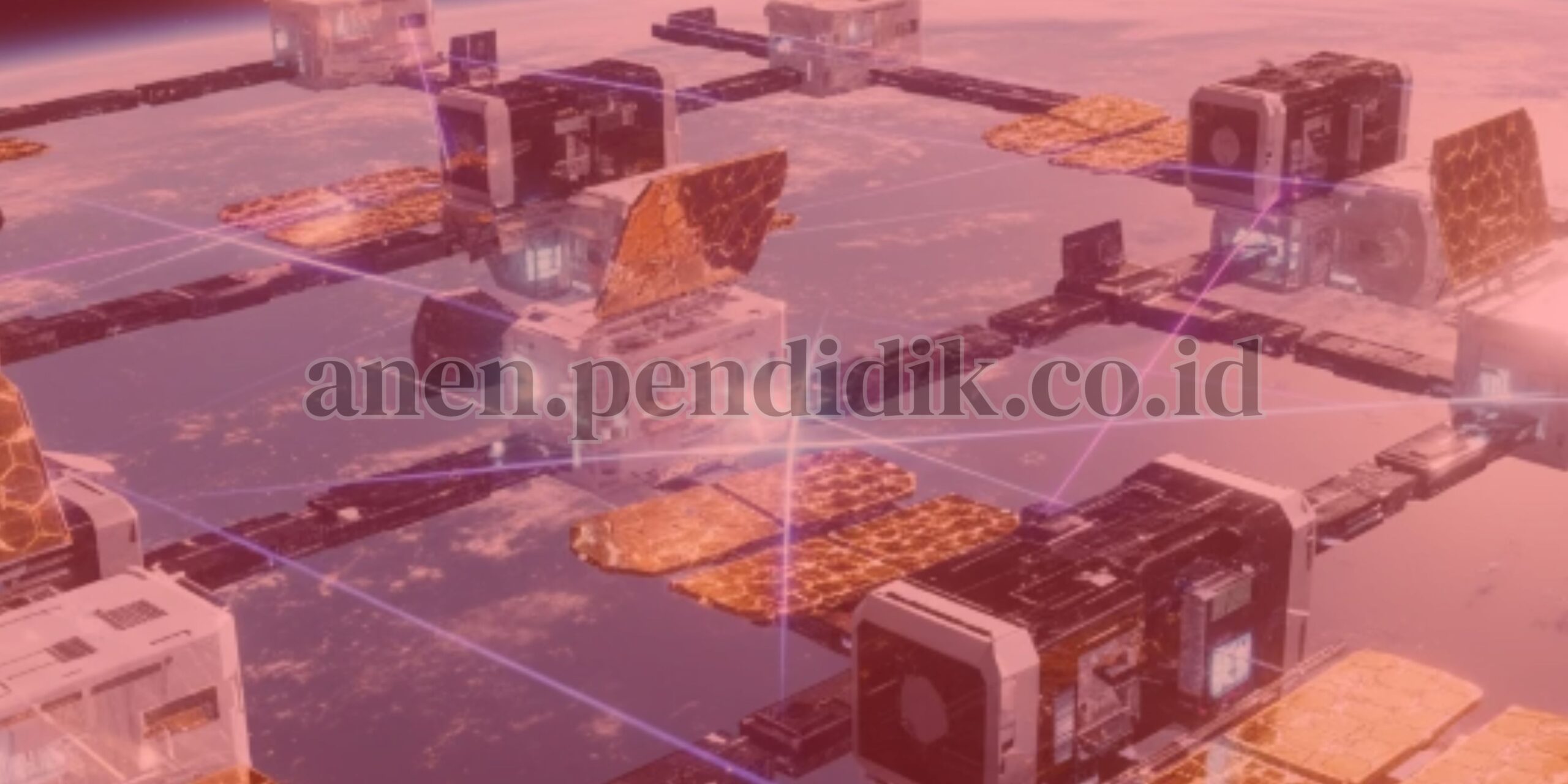
One of the most noticeable trends in AI servers in 2026 is the dominance of heterogeneous computing architecture. Instead of relying solely on CPUs, modern AI servers combine CPUs, GPUs, TPUs, and specialized neural processing units. Each processor type handles a specific task, improving efficiency and reducing energy waste. CPUs manage system operations and orchestration, while GPUs and AI accelerators process complex matrix calculations required for deep learning. This collaboration between different processing units dramatically reduces training time, allowing organizations to deploy AI solutions faster than ever before.
Another major advancement is the integration of next-generation GPUs designed specifically for AI workloads. These GPUs provide significantly higher tensor processing performance and memory bandwidth compared to earlier models. With AI models becoming larger and more complex, memory capacity has become just as important as processing speed. Modern AI servers now include advanced memory technologies such as High Bandwidth Memory and unified memory architectures that allow faster communication between processors. This improvement eliminates data bottlenecks and enhances overall system performance.
Energy efficiency has become a central focus in AI server development. Training large AI models consumes enormous amounts of electricity, raising both environmental and operational concerns. In response, manufacturers have introduced energy-efficient chips, liquid cooling systems, and intelligent workload management software. Liquid cooling, once considered experimental, is now widely adopted in enterprise AI data centers because it dissipates heat more effectively than traditional air cooling. This allows servers to run at higher performance levels while consuming less power, contributing to the growth of sustainable or “green” data centers.
Cloud integration is another defining characteristic of AI servers in 2026. Organizations increasingly deploy hybrid AI infrastructure that combines on-premise AI servers with cloud platforms. This approach allows sensitive data to remain secure locally while leveraging the scalability of cloud computing for intensive training tasks. Cloud providers now offer AI-optimized server instances equipped with powerful accelerators, enabling companies to scale resources dynamically without investing heavily in physical hardware. The hybrid model offers flexibility, cost efficiency, and improved disaster recovery capabilities.
Edge AI servers have also emerged as a major innovation. Instead of sending all data to centralized data centers, edge servers process information closer to where it is generated. This reduces latency and enables real-time decision-making, which is critical for applications such as autonomous vehicles, smart manufacturing, healthcare monitoring, and smart cities. Edge AI servers are smaller but highly optimized systems capable of running inference models locally while synchronizing with central servers for updates and training improvements.
Security has become a top priority as AI servers handle increasingly sensitive data. Modern AI servers incorporate hardware-level encryption, secure boot systems, and zero-trust architecture principles. These features ensure that only verified applications and users can access computing resources. AI itself is now used to monitor server behavior, detect anomalies, and prevent cyberattacks before they cause damage. This combination of AI-driven security and hardware protection significantly strengthens enterprise infrastructure against evolving threats.
Software optimization plays an equally important role in maximizing AI server performance. Frameworks such as distributed training platforms, container orchestration systems, and AI model optimization tools allow developers to fully utilize hardware capabilities. Kubernetes-based orchestration has become standard for managing AI workloads across clusters of servers. Automated scaling ensures that computing resources expand or contract based on workload demand, improving efficiency and reducing operational costs.
Another transformative trend is the rise of generative AI workloads. Applications involving large language models, image generation, video synthesis, and AI assistants require enormous computational power. AI servers in 2026 are specifically engineered to support these workloads through optimized inference engines and faster interconnect technologies. High-speed networking solutions allow multiple servers to function as a single supercomputing environment, enabling organizations to train models containing billions or even trillions of parameters.
Data management has also evolved alongside AI server technology. Modern systems integrate high-performance storage solutions capable of handling vast datasets efficiently. NVMe storage, distributed file systems, and intelligent caching mechanisms reduce delays when accessing training data. Since AI models rely heavily on continuous data input, faster storage access directly improves training speed and model accuracy. Advanced data pipelines now automate preprocessing, labeling, and data transfer processes, reducing manual effort and accelerating development cycles.
The adoption of AI servers is expanding across industries. In healthcare, AI servers analyze medical images, predict disease risks, and assist doctors in diagnosis. Financial institutions use AI servers for fraud detection, algorithmic trading, and risk analysis. Retail companies deploy AI servers to personalize customer experiences and optimize supply chains. Manufacturing industries rely on AI servers for predictive maintenance and automation, minimizing downtime and increasing productivity. Even entertainment and media industries utilize AI servers to generate content, enhance visual effects, and improve audience engagement through intelligent analytics.
Server AI terbaru 2026
Cost considerations remain an important factor for organizations adopting AI servers. While high-performance hardware can be expensive, new pricing models and shared infrastructure solutions have made AI more accessible. Managed AI server services allow businesses to rent optimized infrastructure without managing complex hardware configurations. Open-source AI tools and standardized frameworks further reduce barriers to entry, enabling smaller companies to compete with larger enterprises in AI innovation.
Scalability has become a defining feature of modern AI servers. Modular server designs allow organizations to add accelerators, memory, or storage components as workloads grow. This flexibility ensures long-term investment value and prevents infrastructure obsolescence. Companies can start with smaller deployments and gradually expand their AI capabilities without rebuilding entire systems. This scalable approach aligns with the rapid evolution of AI technologies, where computational requirements continue to increase each year.
Networking technology is another critical component shaping AI servers in 2026. High-speed interconnects enable rapid communication between GPUs and server nodes, reducing delays during distributed training. Technologies such as ultra-low-latency networking and advanced switching architectures allow massive AI clusters to operate efficiently. Faster communication between nodes significantly improves performance when training large models across multiple machines.
Automation and intelligent system management are redefining how AI servers operate. AI-driven monitoring tools analyze performance metrics, predict hardware failures, and optimize workloads automatically. Instead of relying solely on human administrators, servers can self-adjust to maintain peak performance. Predictive maintenance reduces downtime, while automated resource allocation ensures efficient utilization of computing power.
Sustainability remains a long-term goal in AI infrastructure development. Data centers hosting AI servers consume significant energy, prompting companies to invest in renewable energy sources and advanced cooling technologies. Many organizations are designing carbon-aware computing systems that schedule workloads during periods of lower energy demand or higher renewable energy availability. These initiatives aim to balance technological advancement with environmental responsibility.
Looking ahead, AI servers are expected to become even more intelligent and autonomous. Future systems may dynamically reconfigure hardware resources based on workload patterns, optimize energy consumption in real time, and integrate quantum-inspired accelerators for specialized computations. The boundary between hardware and software will continue to blur as AI becomes embedded directly into infrastructure management itself.
The latest AI servers in 2026 represent more than just faster machines; they symbolize a shift toward intelligent infrastructure capable of learning, adapting, and evolving alongside human innovation. As artificial intelligence continues to expand into every aspect of society, AI servers will serve as the foundation supporting this transformation. Organizations that invest in modern AI server technology today position themselves at the forefront of digital innovation, ready to harness the full potential of intelligent computing in the years ahead.
In conclusion, AI servers in 2026 combine advanced hardware acceleration, efficient energy design, cloud integration, edge computing capabilities, enhanced security, and intelligent automation. These developments enable faster innovation, broader accessibility, and sustainable growth in artificial intelligence adoption worldwide. As technology continues to evolve, AI servers will remain the driving force powering the next generation of intelligent applications, reshaping industries and redefining how humans interact with technology in the modern digital age.