In the ever-evolving landscape of modern IT infrastructure, businesses face the constant challenge of balancing performance, security, and cost-effectiveness. One solution that has gained significant traction is colocation, where companies house their servers and networking equipment in a third-party data center. At the heart of any colocation environment lies the server rack, the physical structure that houses and organizes these critical components. This article delves into the world of colocation server racks, exploring their design, functionality, benefits, and the key considerations for choosing the right rack for your organization’s needs.
Understanding Colocation and Server Racks
Colocation, short for “co-location,” involves renting space within a data center facility to house your own hardware. This allows businesses to leverage the infrastructure, security, and expertise of a specialized data center provider without the capital expenditure and operational overhead of building and maintaining their own facility.
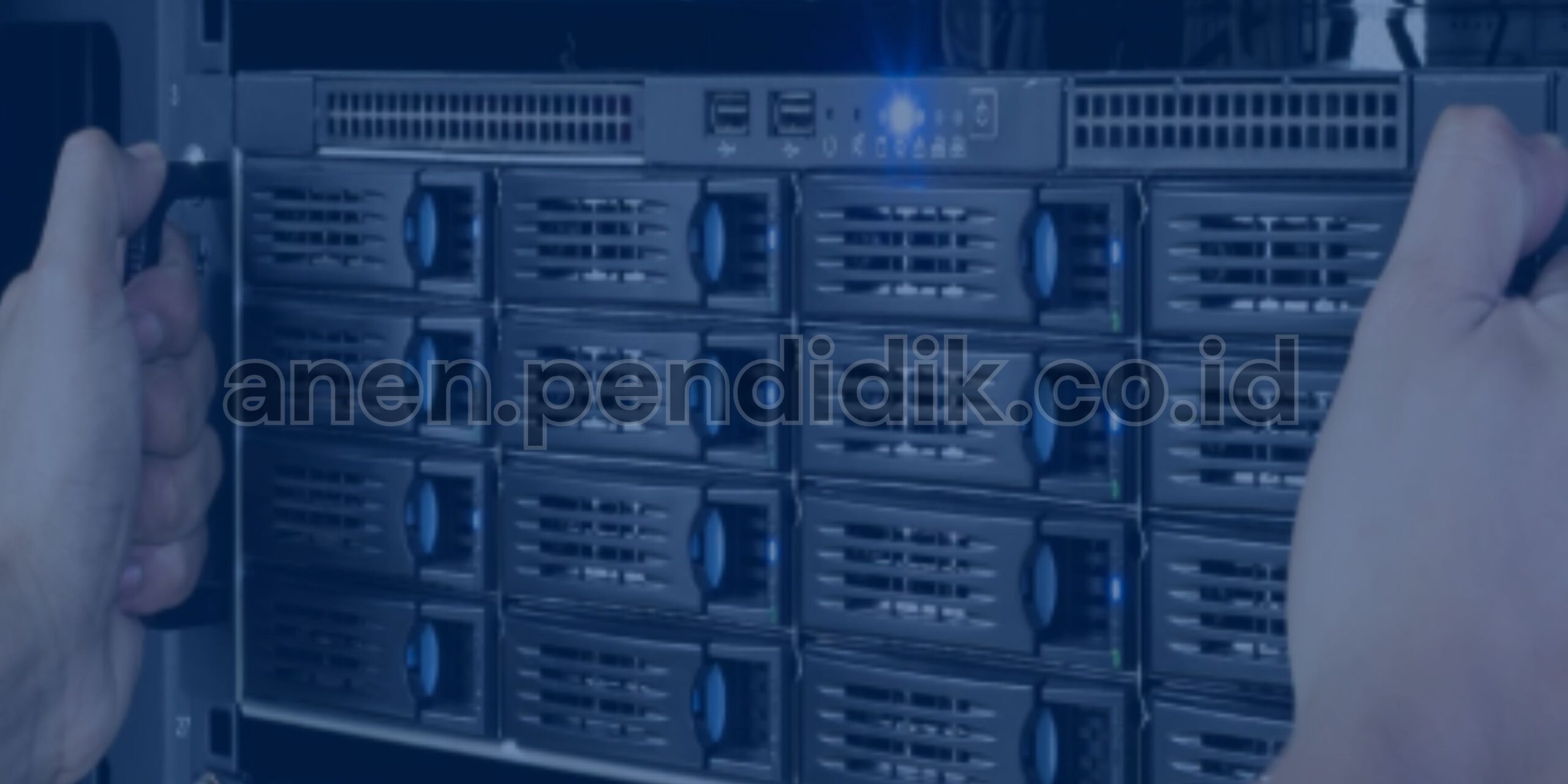
The server rack, also known as a cabinet or enclosure, is the standardized frame or enclosure designed to hold and organize servers, networking equipment, and other IT components. Racks provide a structured and efficient way to manage hardware, ensuring proper airflow, cable management, and physical security.
Key Features of Colocation Server Racks
1. Standardized Dimensions: Server racks adhere to the EIA-310 standard, which defines the dimensions and mounting hole patterns for rack-mountable equipment. The standard unit of measurement for rack height is the “U” or “Rack Unit,” which is equal to 1.75 inches (44.45 mm). Common rack heights include 42U, 45U, and 48U.
2. Construction Materials: Server racks are typically constructed from steel or aluminum, providing a sturdy and durable enclosure for IT equipment. Steel racks offer greater strength and load-bearing capacity, while aluminum racks are lighter and more corrosion-resistant.
3. Door and Side Panel Options: Server racks are available with various door and side panel options, including solid, perforated, and mesh designs. Perforated and mesh doors allow for better airflow, while solid doors provide enhanced security and noise reduction.
4. Cable Management Features: Effective cable management is crucial for maintaining a clean and organized rack environment. Server racks often include cable management features such as cable trays, cable rings, and vertical cable managers to route and secure cables.
5. Cooling Solutions: Maintaining optimal temperature within the server rack is essential for preventing equipment overheating and ensuring reliable performance. Racks may incorporate cooling solutions such as fans, air conditioners, and liquid cooling systems.
6. Power Distribution: Server racks typically include power distribution units (PDUs) to provide power to the equipment housed within the rack. PDUs may offer features such as remote monitoring, power metering, and surge protection.
Benefits of Using Colocation Server Racks
1. Enhanced Security: Colocation data centers provide robust physical security measures, including surveillance cameras, biometric access control, and on-site security personnel. Server racks offer an additional layer of security by restricting access to the equipment within the rack.
2. Improved Reliability: Colocation data centers offer redundant power, cooling, and network connectivity, ensuring high availability and uptime for your IT infrastructure. Server racks contribute to reliability by providing proper airflow and cable management, reducing the risk of equipment failure.
3. Scalability and Flexibility: Colocation allows businesses to scale their IT infrastructure quickly and easily, adding or removing servers and equipment as needed. Server racks provide a modular and flexible platform for accommodating changing hardware requirements.
4. Cost Savings: Colocation can be more cost-effective than building and maintaining your own data center, as it eliminates the capital expenditure and operational overhead associated with facility ownership. Server racks help optimize space utilization and reduce energy consumption, further contributing to cost savings.
5. Expert Support: Colocation data centers offer access to experienced IT professionals who can provide technical support, monitoring, and maintenance services. This allows businesses to focus on their core competencies while relying on experts to manage their IT infrastructure.
Key Considerations for Choosing a Colocation Server Rack
1. Rack Size and Capacity: Determine the appropriate rack size and capacity based on your current and future hardware requirements. Consider the number of servers, networking equipment, and other components that you need to house in the rack, as well as the amount of space required for cable management and cooling.
2. Cooling Requirements: Assess the cooling requirements of your equipment and choose a rack with adequate ventilation and cooling solutions. Consider factors such as the heat output of your servers, the ambient temperature of the data center, and the airflow patterns within the rack.
3. Security Features: Evaluate the security features of the rack, including door locking mechanisms, access control systems, and surveillance capabilities. Choose a rack that provides adequate physical security to protect your equipment from unauthorized access.
4. Cable Management Options: Select a rack with comprehensive cable management options to ensure a clean and organized environment. Consider features such as cable trays, cable rings, and vertical cable managers to route and secure cables effectively.
5. Power Distribution: Choose a rack with a power distribution unit (PDU) that meets your power requirements and offers features such as remote monitoring, power metering, and surge protection.
6. Vendor Reputation and Support: Select a reputable rack vendor that offers reliable products and excellent customer support. Consider factors such as warranty coverage, technical assistance, and availability of spare parts.
Types of Colocation Server Racks
1. Open Frame Racks: Open frame racks consist of a basic frame without doors or side panels. They offer excellent airflow and easy access to equipment, but they provide limited physical security.
2. Enclosed Racks: Enclosed racks feature doors and side panels that provide enhanced security and noise reduction. They are available with various door and panel options, including solid, perforated, and mesh designs.
3. Seismic Racks: Seismic racks are designed to withstand earthquakes and other seismic events. They are constructed from heavy-duty materials and feature reinforced frames and anchoring systems.
4. NEMA Racks: NEMA racks are designed to protect equipment from dust, water, and other environmental hazards. They are commonly used in industrial environments and outdoor applications.
Best Practices for Colocation Server Rack Management
1. Proper Equipment Placement: Distribute the weight of equipment evenly within the rack to prevent instability and ensure proper airflow. Place heavier equipment at the bottom of the rack and lighter equipment at the top.
2. Effective Cable Management: Route and secure cables carefully to prevent tangling and obstruction of airflow. Use cable ties, cable trays, and cable rings to organize cables and keep them out of the way.
3. Optimal Airflow Management: Ensure proper airflow within the rack by using blanking panels to fill empty spaces and prevent hot air from recirculating. Consider using air baffles to direct airflow and improve cooling efficiency.
4. Regular Maintenance: Perform regular maintenance on the rack and its components, including cleaning fans, checking cable connections, and inspecting power distribution units.
5. Documentation: Maintain detailed documentation of the rack layout, equipment inventory, and cable connections. This will facilitate troubleshooting and maintenance activities.
The Future of Colocation Server Racks
The colocation server rack is likely to remain a fundamental component of IT infrastructure for the foreseeable future. As technology evolves, server racks will continue to adapt to meet the changing needs of businesses. Future trends in colocation server rack technology may include:
• Smart Racks: Smart racks will incorporate sensors and monitoring systems to provide real-time data on temperature, humidity, power consumption, and other environmental factors.
• Liquid Cooling Integration: Liquid cooling systems will become more prevalent in server racks as businesses seek to manage the increasing heat output of high-performance computing equipment.
• Modular Designs: Modular rack designs will allow for greater flexibility and customization, enabling businesses to tailor their rack configurations to specific requirements.
• Automated Management: Automated rack management systems will streamline tasks such as equipment provisioning, cable management, and power distribution.
Conclusion
Colocation server racks are the unsung heroes of modern IT infrastructure, providing a secure, reliable, and scalable platform for housing critical hardware components. By understanding the design, functionality, and benefits of colocation server racks, businesses can make informed decisions about their IT infrastructure and optimize their colocation deployments. Choosing the right rack, implementing best practices for management, and staying abreast of emerging trends will ensure that your colocation server racks continue to serve as the foundation of your IT operations for years to come.