Artificial Intelligence (AI) has rapidly transformed how modern businesses operate, analyze data, and deliver digital services. From machine learning applications to large-scale data analytics and real-time automation, AI workloads demand significantly more computing power and efficiency than traditional applications. As a result, organizations are redesigning their infrastructure around AI optimized server architecture a specialized approach to building servers that maximize performance, scalability, and efficiency for AI-driven operations.
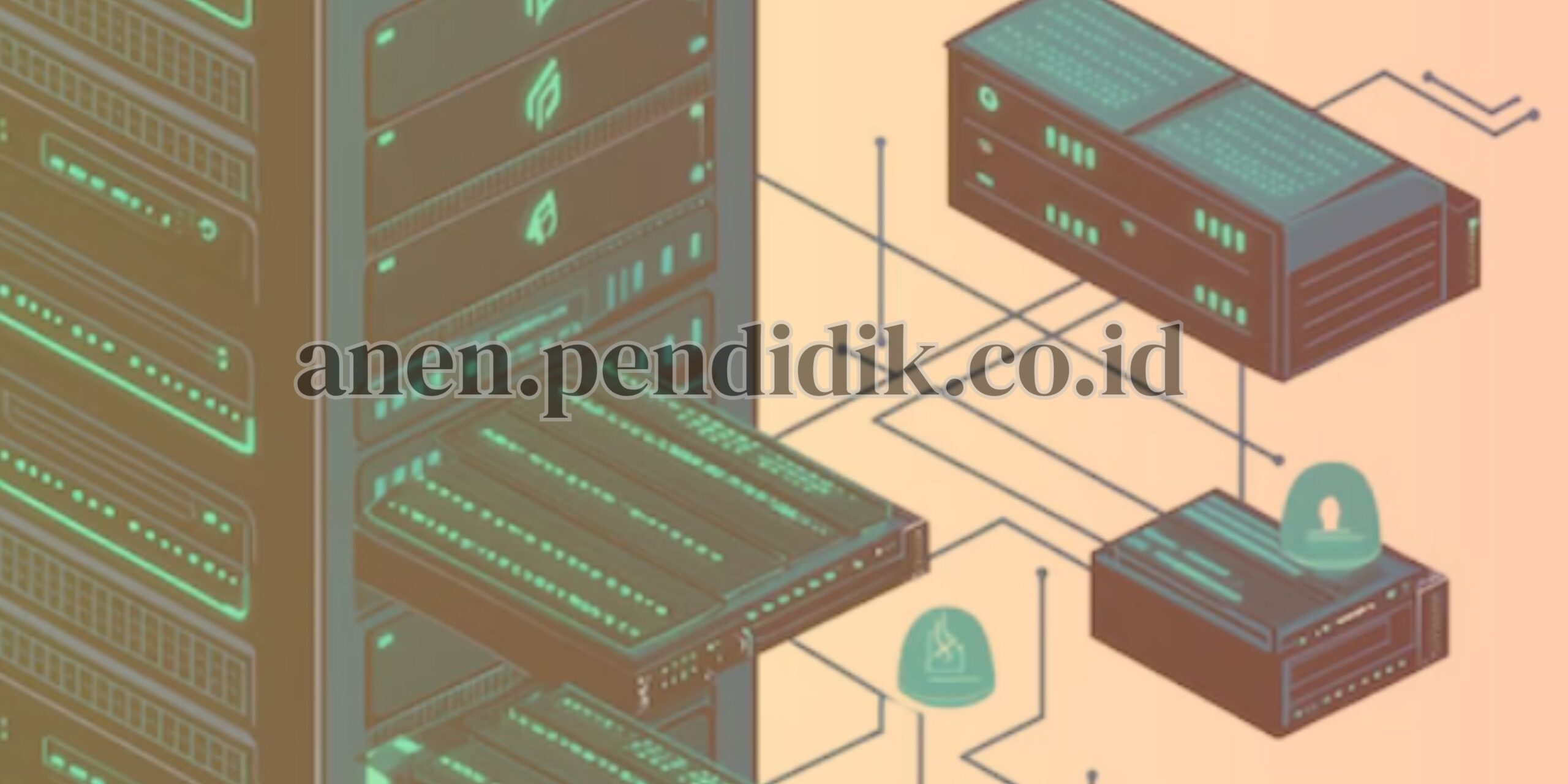
This article explores the concept of AI optimized server architecture, its components, design principles, benefits, challenges, and future trends shaping next-generation computing environments.
Understanding AI Optimized Server Architecture
AI optimized server architecture refers to server systems specifically engineered to handle artificial intelligence workloads such as machine learning training, inference processing, deep learning models, and large-scale data processing. Unlike conventional servers designed primarily for general computing tasks, AI servers prioritize parallel processing, high-speed data transfer, and accelerated computation.
AI workloads differ from traditional workloads in several ways :
- They process massive datasets.
- They rely heavily on matrix and vector calculations.
- They require fast memory access and low latency.
- They often run continuously at large scale.
Because of these characteristics, AI servers integrate specialized hardware and software optimizations to achieve maximum efficiency.
Core Components of AI Optimized Server Architecture
1. High-Performance Processing Units
The heart of AI servers lies in their processing units. Traditional CPUs alone are not sufficient for heavy AI workloads. Modern AI architectures combine multiple types of processors :
- CPUs (Central Processing Units) : Handle system control, scheduling, and general operations.
- GPUs (Graphics Processing Units) : Accelerate parallel computations essential for deep learning.
- TPUs (Tensor Processing Units) : Specialized processors designed for neural network calculations.
- AI Accelerators : Custom chips optimized for inference and model training.
GPUs and accelerators dramatically reduce training time for complex models, making them essential in AI infrastructure.
2. High-Speed Memory Architecture
AI applications frequently move enormous volumes of data between processors and memory. Bottlenecks in memory access can severely impact performance.
Key memory features include :
- High-bandwidth memory (HBM)
- Large RAM capacity
- Low-latency memory access
- Optimized caching mechanisms
Efficient memory architecture ensures that processors remain fully utilized rather than waiting for data transfers.
3. Scalable Storage Systems
AI workloads require both speed and scalability in storage solutions. AI optimized servers typically use:
- NVMe SSD storage for rapid data access
- Distributed storage systems
- Data lakes for large datasets
- Tiered storage for balancing cost and performance
Fast storage reduces data loading time during model training and improves inference response speeds.
4. High-Speed Networking
AI models are often trained across multiple servers simultaneously. This distributed training requires extremely fast communication between nodes.
Common networking technologies include :
- High-bandwidth Ethernet
- InfiniBand networking
- Low-latency interconnects
- RDMA (Remote Direct Memory Access)
Efficient networking allows multiple GPUs or servers to work together seamlessly.
5. Advanced Cooling and Power Management
AI servers consume significant power due to intensive computations. Heat management becomes a critical design consideration.
Modern architectures incorporate :
- Liquid cooling systems
- Intelligent airflow design
- Energy-efficient power supplies
- AI-driven workload balancing
Efficient cooling not only protects hardware but also reduces operational costs.
- Key Design Principles
AI optimized server architecture follows several guiding principles.
- Parallelism First
AI tasks benefit from executing thousands of operations simultaneously. Architectures are therefore designed to maximize parallel computing through GPUs and multi-node clusters.
- Data Locality
Moving data consumes time and energy. Optimized servers aim to keep data close to compute resources, minimizing transfer delays.
- Scalability
AI workloads grow rapidly. Systems must scale horizontally (adding more nodes) and vertically (adding more power per node).
- Resource Utilization
AI infrastructure must ensure hardware components operate at high utilization rates to justify costs and improve efficiency.
- Software Optimization Layer
Hardware alone does not guarantee performance. Software plays a vital role in AI optimized servers.
Important software components include:
- Container orchestration platforms (e.g., Kubernetes)
- AI frameworks such as TensorFlow and PyTorch
- GPU scheduling tools
- Distributed training libraries
- Model optimization software
These tools allow efficient deployment, scaling, and monitoring of AI workloads.
- Benefits for Businesses
Implementing AI optimized server architecture provides significant advantages.
- Faster Model Training
Organizations can train complex AI models in hours instead of weeks, accelerating innovation cycles.
- Improved Real-Time Decision Making
Optimized inference enables real-time analytics, recommendation engines, fraud detection, and automation systems.
- Cost Efficiency at Scale
Although initial investment may be high, optimized resource usage reduces long-term operational expenses.
- Competitive Advantage
Businesses leveraging AI infrastructure can innovate faster, personalize services, and extract deeper insights from data.
- Deployment Models
AI optimized servers can be deployed in different environments:
- On-Premises Data Centers
- Maximum control and security.
- Suitable for sensitive data workloads.
- Cloud-Based AI Infrastructure
- Flexible scaling.
- Pay-as-you-go pricing.
- Hybrid Architecture
- Combines local processing with cloud scalability.
Hybrid models are increasingly popular because they balance performance, cost, and flexibility.
Challenges in AI Server Architecture
Despite its benefits, implementing AI optimized infrastructure presents challenges.
High Initial Investment
Specialized hardware such as GPUs and accelerators can be expensive.
Complexity
Designing distributed AI systems requires advanced expertise in networking, storage, and orchestration.
Energy Consumption
AI workloads consume large amounts of electricity, raising sustainability concerns.
Rapid Technology Evolution
Hardware and AI frameworks evolve quickly, making long-term planning difficult.
Security Considerations
AI servers handle sensitive datasets and intellectual property. Security must be integrated into architecture design.
Key practices include:
- Zero-trust network models
- Data encryption at rest and in transit
- Secure model deployment pipelines
- Access control and monitoring systems
AI-specific threats such as model poisoning and adversarial attacks must also be addressed.
Future Trends in AI Optimized Server Architecture
The future of AI infrastructure is evolving toward greater efficiency and intelligence.
1. Specialized AI Chips
Custom silicon designed for specific workloads will continue improving performance per watt.
2. Edge AI Servers
Processing AI closer to users reduces latency for applications like autonomous vehicles and smart cities.
3. Green AI Infrastructure
Energy-efficient computing and renewable-powered data centers will become priorities.
4. Disaggregated Architecture
Compute, storage, and memory resources will become modular and dynamically allocated.
5. AI Managing AI Infrastructure
Self-optimizing systems using AI to manage workloads, cooling, and energy consumption are emerging.
Conclusion
AI optimized server architecture represents a fundamental shift in how computing infrastructure is designed. Traditional server models are no longer sufficient for the demands of modern AI applications. By integrating specialized hardware, high-speed networking, scalable storage, and intelligent software orchestration, organizations can unlock the full potential of artificial intelligence.
As AI adoption continues to accelerate across industries, businesses that invest in optimized server architectures will gain faster insights, improved efficiency, and stronger competitive positioning. While challenges such as cost and complexity remain, ongoing innovation in hardware and software is making AI infrastructure more accessible and sustainable.
In the coming years, AI optimized server architecture will not simply support business operations — it will become the backbone of digital transformation, enabling smarter systems, automated decision-making, and entirely new categories of intelligent services.